

Components
- 1.5 kilograms of manioc (batata-baroa)
- Two egg yolks
- 1¼ teaspoons of wheat flour
- 100 grams of butter
- One bundle of sage
- One tablespoon of salt
- wheat flour for dusting the countertop
Mode of preparation
- Clean, peel, and divide each manioc into three parts. Place them in a large pot and fill with water. Bring to a boil over high heat. Once boiling, reduce the heat and simmer for an additional 15 minutes, until tender—check doneness by piercing with a fork.
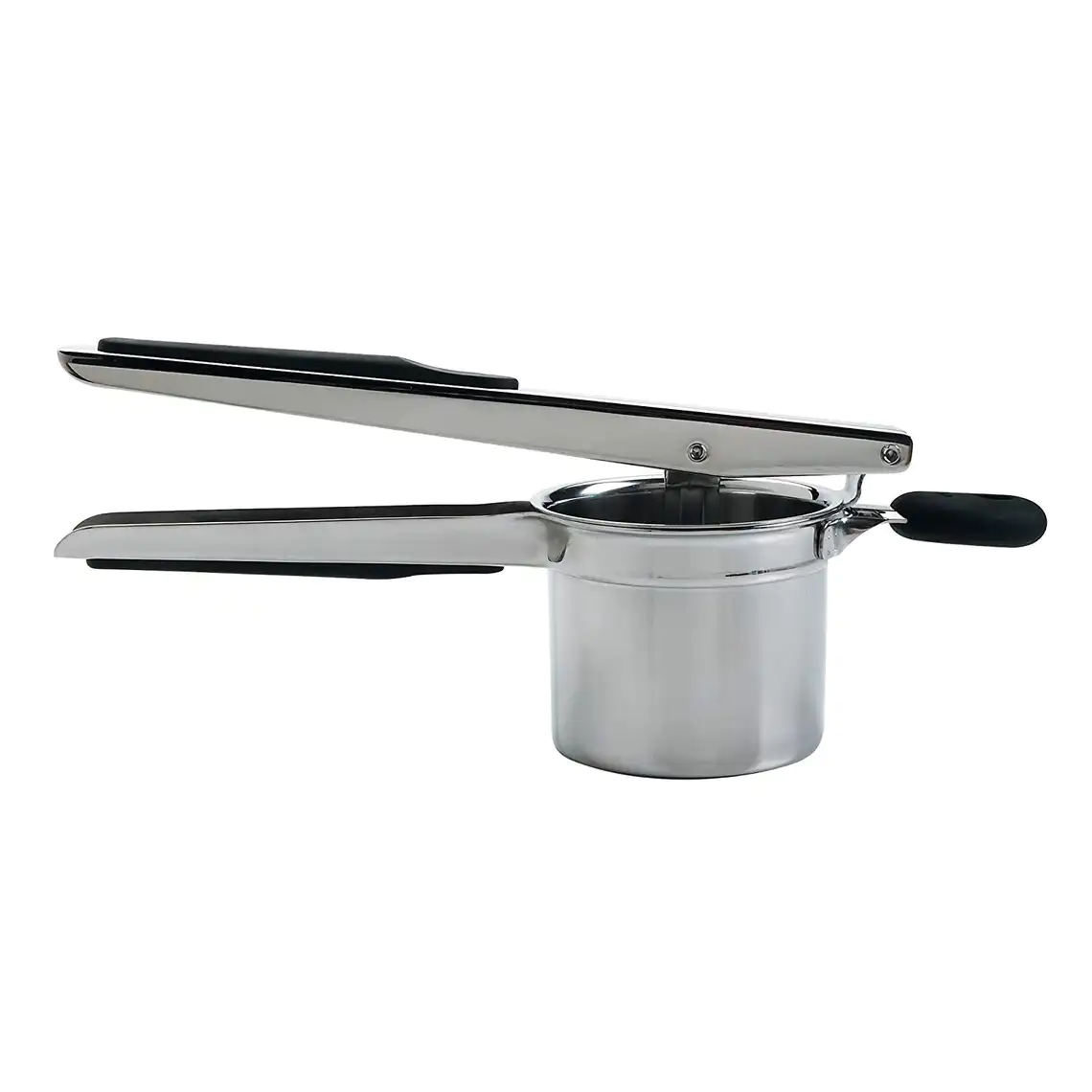
- Place the herbs in a sieve and allow the water to drain thoroughly. In a bowl, press the warm herbs using a potato masher and add salt to taste.
- Add 1/4 cup of wheat flour to cool the maniocine—this stops the egg yolks from cooking due to heat when added. Mix in the yolks thoroughly. Gradually add the remaining flour little by little until the dough reaches the right consistency. To test the dough, clean your hands, take a portion, and try to shape it into a ball without it sticking to your hands. The amount of wheat flour needed in the recipe can vary—avoid adding too much initially, as the dough will absorb more flour as you shape it.
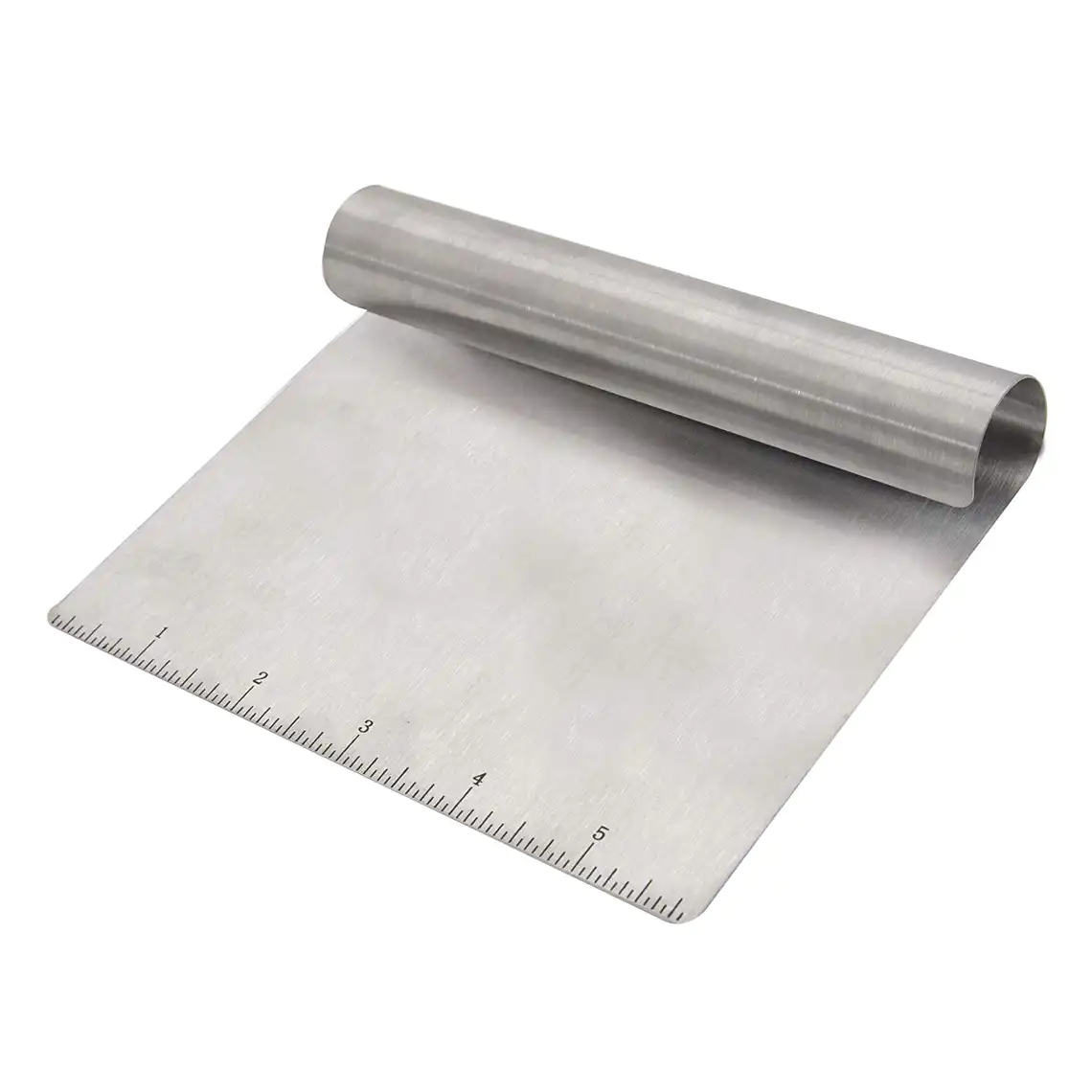
- To shape the horns: dust the work surface with wheat flour. Take a piece of dough and roll it into cylinders approximately 1 cm thick using your hands. Cut the rolls into 2 cm segments with a knife or spatula. Place the pieces onto a large (or heat-resistant) baking tray dusted with flour and cover. Continue this method with all the dough.
- Place a large pot filled with water on high heat. Grease a large baking sheet with oil. When the water reaches a boil, stir in one tablespoon of salt.
- Using a skimmer, immerse roughly 10 pints at once into the boiling water. Allow them to cook until they rise to the top. Take out the horns, letting the water drain through the scum, then place them in the oil-coated baking pan. Continue cooking the rest of the horns and keep the cooking water, as it will be utilized to prepare the sauce.
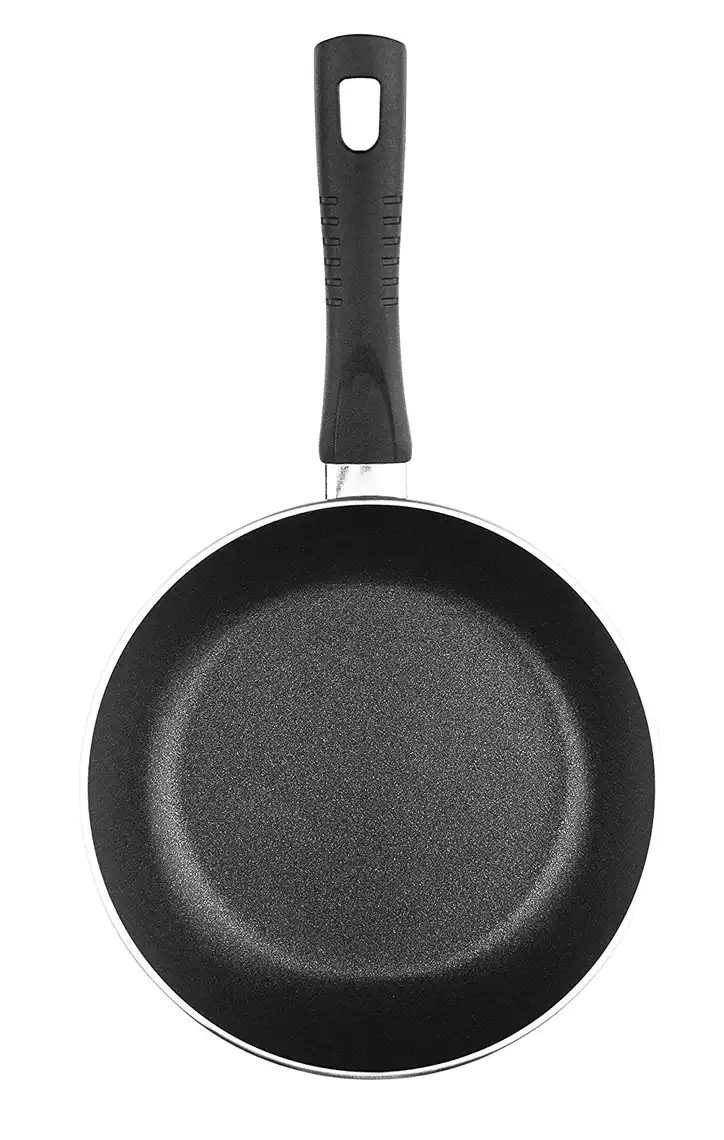
- Use a large skillet, ideally non-stick, over medium heat. Once heated, add half a tablespoon of butter and approximately 30 horns. Cook for 1 minute on each side to brown evenly. Move them to a plate and brown the remaining horns, adding butter for each batch.
- After browning all the pinches, lower the heat and add 4 tablespoons of butter to the pan. Once melted, add the sage leaves and cook for about 1 minute to release their aroma. Turn off the heat and add a pinch of baking soda. Gently swirl the pan to combine and create a smooth sauce—avoid stirring with a spatula to prevent the butter from separating.
- Simmer the golden horns with the sauce and sage leaves. Serve immediately.
Secure the marmite tightly!
Set aside a portion of the gnocchi dough to make a tasty savory fish dumpling.
Purchase only what is necessary
Store
Flax Napkin Curry (set of 2), Acervo Paninha

Game featuring 6 side dishes, black pepper

Set of 6 shallow plates, Curry-themed

Mimo Style stainless steel spatula
chsyys/iStock
Tramontina Aluminum Rare Roast

Hercules Stainless Steel Sheet

Oxo potato juicer
Siena aluminium frying pan by Baillarini