
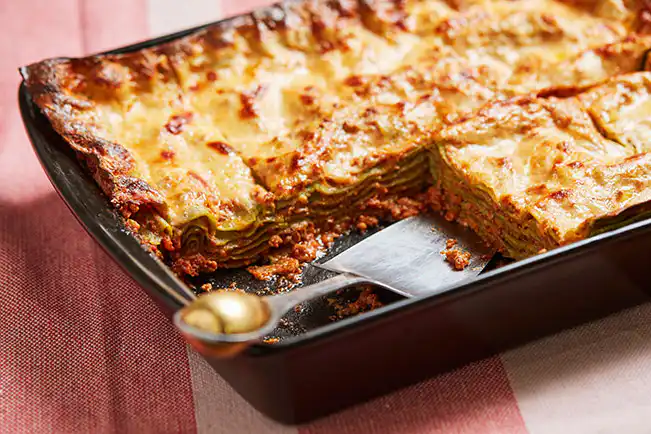

PARA LA BOLOGNESA MOLIC
Components
- 600 grams of minced meat
- 300 grams of minced pancetta
- One onion
- One carrot
- 1 salt stalk (leafless)
- 1 cup of tea with milk
- 1 cup (teaspoon) of white wine
- 2 tea cups of tomato raisin (500g)
- Three tablespoons of olive oil
- Add salt and ground pepper as desired.
Setup mode
- Remove the carrot’s skin, rinse it, and dry the salt. Dice the carrot and salt stem into small cubes – the smaller the vegetable pieces, the less noticeable they will be in the finished sauce. Peel and finely chop the onion.
- Place a large pot over medium heat. Add 2 tablespoons of olive oil, then the onion, season with a pinch of salt, and cook for 3 minutes until it softens. Add 1 tablespoon of olive oil, the carrot, and salt, then sauté for an additional 10 minutes until the vegetables become very tender and sweet.
- Add the ground meats and thoroughly combine using a fork to break the meat into smaller pieces. Season with 2 teaspoons of salt and pepper to taste. Cook the meat for approximately 20 minutes, stirring occasionally until the bottom of the pan begins to brown slightly. Initially, the meat will release liquid, which cooks it, changes its color, and then absorbs the flavorful broth from the sautéed mixture.
- Pour in the milk and stir for approximately 5 minutes until it evaporates – it’s crucial to maintain the meat moist without allowing the bottom of the pan to dry out during the entire process. Then, add the wine and stir occasionally for around 10 minutes until it evaporates.
- Add the tomato and raisins, then stir thoroughly. Reduce the heat and simmer for 2 hours with the lid partially open, stirring occasionally. Be careful to keep the heat very low to prevent the sauce from drying out or sticking to the pan; use the smallest burner on the stove. Throughout the cooking process, add water as needed to keep the meat moist—if you prefer a precise guideline, add about 1/2 cup of water every 30 minutes.
- When the cooking is finished, the sauce should be rich and flavorful. Taste and add salt if needed. Pour it into a bowl and set aside – the sauce should not be too hot when assembling the lasagna.
Note: If pre-ground panceta is unavailable, you can finely chop or process it yourself.
Please provide the text you’d like me to paraphrase.
The bologna sauce can be made ahead of time and kept in the refrigerator for up to 3 days or frozen for as long as 3 months. Be mindful of the usage time: the sauce tends to absorb some of the broth as it cools, so before assembling the lasagna layers, reheat the sauce and add a bit of water to make it easier to spread.
PARA MASSA
Components
- 3 tea cups of wheat flour (approximately 400g)
- 4 cups of spinach leaves (half a pack)
- Four eggs
- 1 teaspoon of salt
- 1/2 cup of water (tea)
- wheat flour for dusting the countertop
Setup phase
- Separate the spinach leaves from the stems and rinse them under running water. Place them in a medium-sized pan, add water, cover, and cook over low heat for approximately 8 minutes, until the leaves are very tender.
- Drain the spinach using a sieve and press it firmly with a spoon to extract the water thoroughly. While dealing with the mulberry spinach, set aside the other ingredients to prevent the heat from cooking the eggs.
- Once the spinach is heated, firmly squeeze the leaves with your hands to remove all the liquid, then put them into the blender – it’s essential to press the leaves thoroughly to prevent the water from affecting the dough’s moisture.
- In a small bowl, break the eggs one by one and add the spinach—this way, if one egg is bad, the recipe isn’t ruined. Whisk the mixture for about 2 minutes until the spinach is thoroughly shredded.
- In a big bowl, combine the flour and salt, then create a well in the middle. Add the eggs mixed with spinach into the well. Using a fork, gradually blend the liquid into the flour by stirring in circular motions from the center outward to the bowl’s edge.
- Complete mixing the dough by hand until it comes together into a ball. Place it on a lightly floured surface and knead until smooth and soft, about 10 minutes. Since the spinach pasta is more moist, add flour gradually while kneading to avoid making the dough dry and tough. Shape the dough into a ball, wrap it in plastic wrap, and let it rest at room temperature for 30 minutes before rolling it out. In the meantime, prepare the béchamel sauce.
- After resting, dust the bench with flour, loosen the dough, and use a spatula or knife to cut it into 6 portions—this will make it easier to roll out. Cover the dough pieces with a cloth to prevent them from drying out while you work.
- To roll out the dough with a rolling pin: each piece of dough will form a lasagna layer. Carefully press the dough into a rectangular shape to make it easier to fit into the baking dish. Lightly dust the work surface, dough, and rolling pin with flour. Roll the dough out until it is approximately 1mm thick, adding flour as needed throughout. Using the baking dish as a guide, trim the edges so the dough is about 1 cm smaller than the dish’s base, as the dough will expand during cooking.
- To roll out the dough using a noodle roller: work with one piece of dough at a time. Lightly dust the roller and the dough with flour. Begin at the widest setting (level zero) and feed the dough through the roller. Fold the dough in half and repeat this step about six times until it becomes very soft and starts to take on a rectangular shape matching the roller’s width. Then, adjust the roller to the next narrower setting, dust the dough with flour again, and pass it through twice. Continue this process, gradually decreasing the roller setting until you reach level six, resulting in dough about 1mm thick. Lay the rolled dough on the countertop, trim the edges with a roller or knife to make them straight, and cut the sheet in half to create two rectangles. These will be used for assembling each lasagna layer in the baking dish—always use the dish as a guide when cutting the pasta sheets.
- Dust the bench with flour. Stack the pieces of unfolded dough and the wrapped one on top of each other, then cover them with a dish towel to prevent drying.
Did you receive MASSA?
Incorporate the chips and reopen to slice into the preferred shape, such as fettucine, maltagliati, or talharim. The dough wrapped in plastic film can be kept in the refrigerator for up to two days.
FOR THE BECHAMEL SAUCE
Components
- One liter of milk
- 3 tablespoons of butter
- 5 tablespoons of all-purpose wheat flour
- 1 teaspoon of salt
- freshly grated nutmeg, added according to taste
- Add ground pepper to ground grains according to your taste.
Ready state
- Heat a regular pan with butter over medium heat. Once the butter has melted, add the wheat flour and stir thoroughly with a spatula for one minute.
- Take the pan off the heat and pour in all the milk at once, stirring thoroughly with a whisk to break up the flour lumps.
- Place the pan back on medium heat and keep stirring until it starts to boil. Reduce the heat and add salt, pepper, and nutmeg to your preference. Cook for approximately 5 minutes, stirring occasionally until the sauce thickens and becomes creamy. Pour the sauce into a bowl and set aside while you prepare the lasagna sheets.
Please provide the text you would like me to paraphrase.
Bechamel can be made ahead of time and kept in the fridge for up to three days. When ready to use, whisk it thoroughly until it becomes smooth and fluid.
Please provide the text you would like me to paraphrase.
Components
- 1 1/4 cups (tea) of finely grated Parmesan cheese
- butter to grease the stubborn surface
- the entire cake topping
- all white sauce
Mode of preparation
- Set the oven to 200 °C (moderate heat). Grease a 28 cm by 25 cm baking dish with butter.
- Place a large pot with approximately 10 liters of water on high heat to bring it to a boil. In the meantime, prepare a large bowl filled with ice water and set aside 4 clean dish towels, which will be used to soak up the boiling water from the dough before assembling the lasagna.
- When the water reaches a boil, add 4 tablespoons of salt and immerse two sheets of pasta. If your pot is smaller or you prefer to use a larger sheet of rolled dough, cook only one sheet at a time to prevent sticking. Allow the dough to pre-cook for just 30 seconds, as it will finish cooking in the oven.
- Using a clamp (or squeezer), move the partially cooked dough into a bowl of ice water to halt the cooking process. Spread an open dish towel over the countertop and lay the pre-cooked dough sheets on it side by side. Continue this process, creating layers of pasta separated by cloths: while one sheet is cooking, another is chilling in the ice water, and the previously cooked one is placed on the cloth.
- To prepare the lasagna: Spread approximately 1 cup (tea) of acorny sauce on the bottom of the baking dish, then layer about 1/3 cup of béchamel sauce over it. Next, place a layer of dough over the sauces, ensuring it covers the entire bottom of the dish.
- On the initial dough layer, evenly distribute 1 cup (tea) of bologna and water mixed with 1/3 cup (tea) of béchamel sauce. Continue this layering method until the baking dish is filled, resulting in a total of 6 dough layers.
- Spread an additional cup of béchamel sauce over the final layer of dough and mix in one-third of a teaspoon of bologna to enhance the flavor of the gratin lasagna.
- Sprinkle with grated Parmesan cheese and place in the preheated oven to bake for approximately 30 minutes until it begins to bubble. If your oven has a grill setting, use it for around 10 minutes. If not, raise the temperature to 220 °C (high heat) and continue baking for another 15 minutes, or until the lasagna turns a golden brown.
- Take the lasagna out of the oven and let it sit for 10 minutes before serving, as it becomes easier to slice once it has settled.
Planning Suggestions
The most effective method to preserve lasagna dough is to store it pre-cooked for up to five days or freeze it for up to one month. Once dried, stack the sheets with layers of oiled plastic wrap between them. Either leave it uncovered or roll it up like fair-style pastry dough.
To use the dough, take it out of the refrigerator and assemble the lasagna.
To thaw: take the mass out of the freezer and leave it at room temperature for roughly 45 minutes before use, or let it thaw overnight in the refrigerator.
♪
Lasagna can be prepared by baking it directly or assembling it before baking.
To roast or thaw: thaw in a preheated oven at 200 °C for 20 minutes, or thaw for a variable time depending on the size of the frozen piece. Alternatively, use a microwave on high power for 7 minutes, which is ideal for single servings.
Placed on the baking tray: transfer directly from the freezer to the oven preheated to 200 °C for 30 minutes, then raise the temperature to 220 °C for an additional 15 minutes to brown.

